Spring is upon us. The 500 year old tradition of painting eggs in bright colours and hiding them for children (and adults) to find returns.
The rush of excitement.
The cumulative sense of discovery.
There’s nothing quite like an Easter egg hunt to lift the mood.
But today, I’m not talking about the colourfully adorned chocolate kind. I’m talking about digital easter eggs – hidden features, messages, or interactive elements placed within a website or application to surprise and delight.
I’ve always had a soft spot for these kinds of interactions. Because in a world where interfaces are becoming increasingly mindless, easter eggs are one of the few things that still make users feel something. Maybe even smile. And very little builds brand affinity like that.
But these small moments of connection run counter to a common principle in modern user experience design (UX). We’re told to make everything as simple and frictionless as possible. And while that works, it creates a trade-off: the simpler an experience becomes, the less memorable it is.
As Tobias Van Schneider puts it well in his essay, Embrace friction :
When everything is easy, nothing is meaningfulTobias Van Schneider – Embrace Friction
Easter eggs are a great way to counter this paradox and bring a little playfulness back. They allow you to keep your core user journey simple, easy, and frictionless, and then add the occasional, intentional moment of friction for your users to discover along the way, bringing the missing magic back into the experience.
By embracing these cumulative micro-interactions, you foster a deeper, more emotional connection. You reward the user's curiosity, turning a passive viewing experience into an active and rewarding hunt. This act of discovery is what builds enduring brand loyalty.
Here are a few recent and older all time favourites:
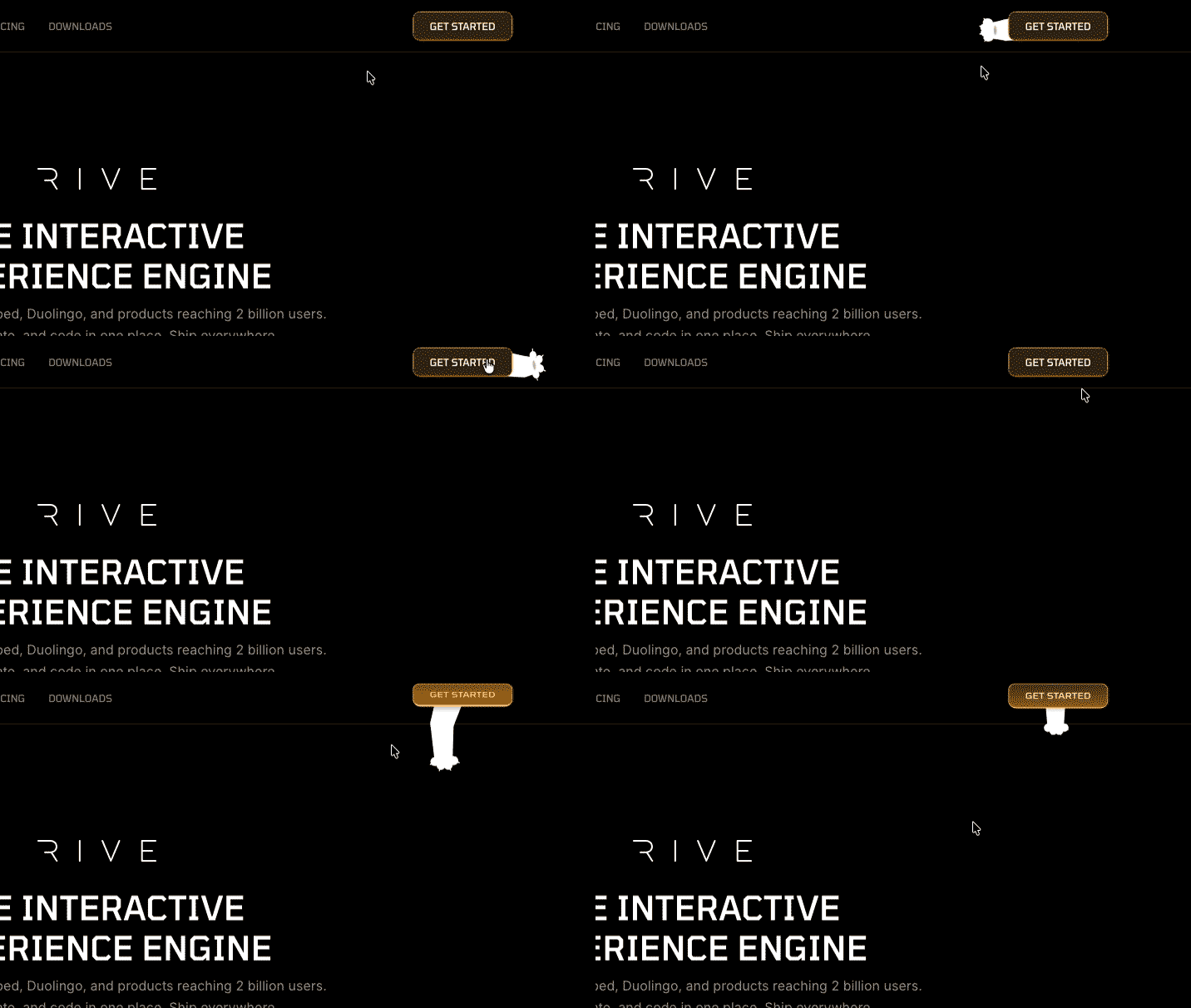
Rive demonstrates the power of their animation software with a wonderfully playful button hover.
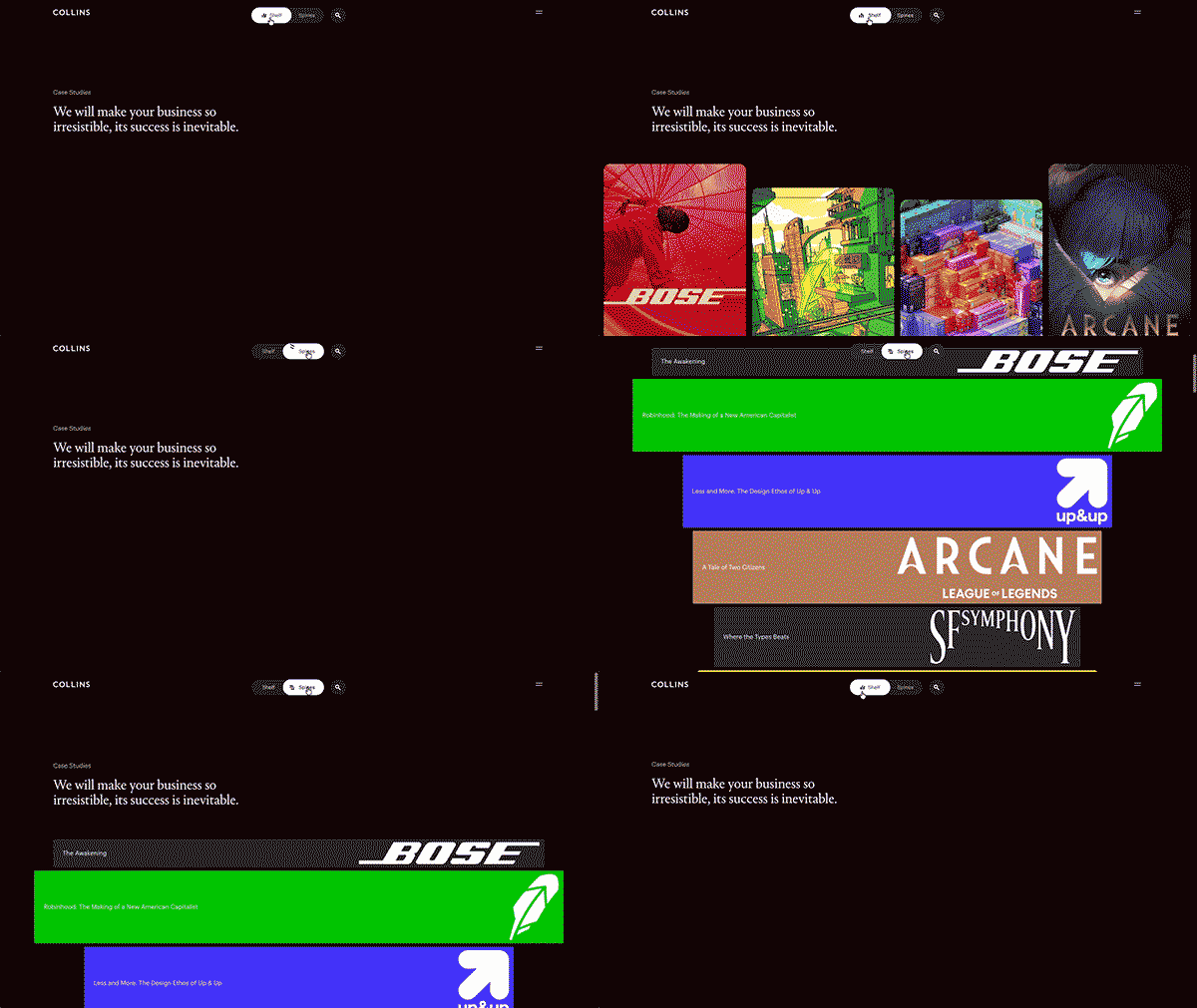
Collins gives a subtle nod to their brand storytelling prowess, with a switch that turns this simple grid into an animated stack of book spines.

Stripe switches up the colours of this animation throughout the day.
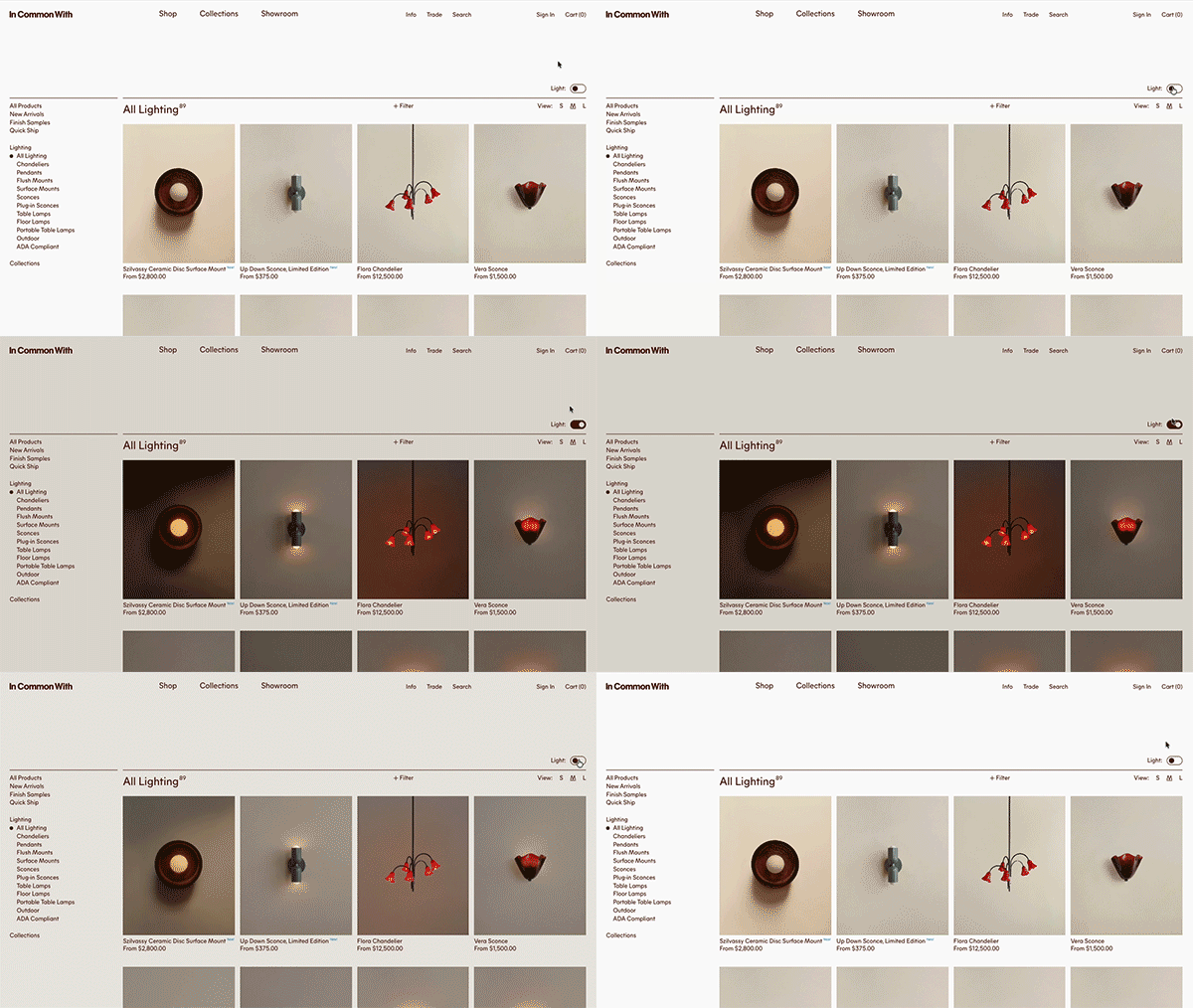
'In Common With', included this small toggle that dims the lights and sets an alternative mood.
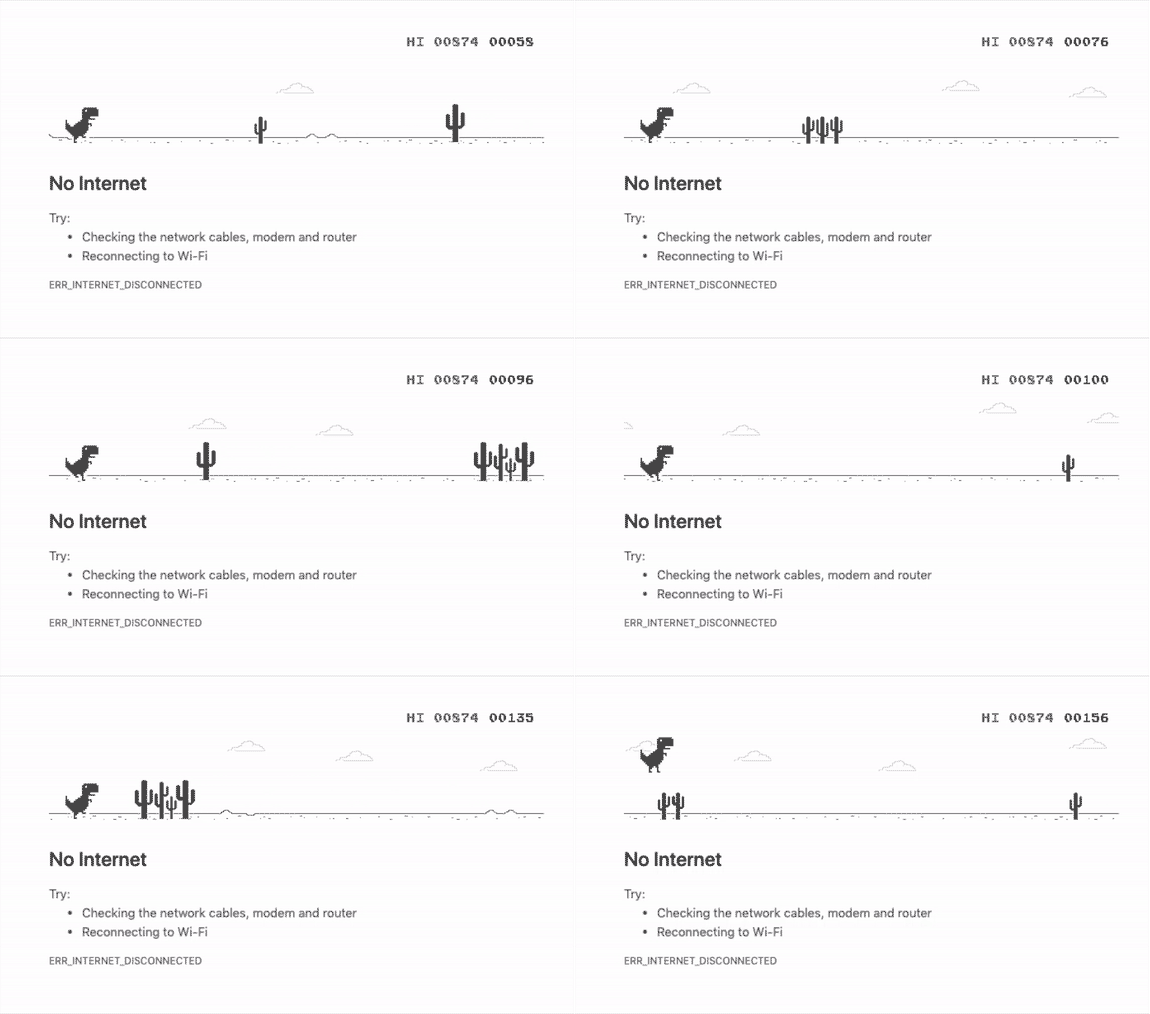
And of course, where would we be without this classic from Google Chrome when you disconnect from the internet.
And, speaking of Google – they used to pack their search with easter eggs. But most of those came out over a decade ago. Since then, they’ve largely disappeared.
That’s not by accident. As products scale, everything becomes measured, optimised and justified. The small, playful moments – the ones that don’t directly drive a metric – are often the first to go.
But that’s exactly what made them valuable.
Try typing “Do a barrel roll” into Google search – an oldie, but a good reminder of a time when not everything had to be efficient to be effective.
There’s still value for this kind of play. And the brands that bring it back – even in small ways – are the ones people will remember.
Enjoy!
And, of course, happy easter egg hunting.